United Winners Laser Co., Ltd.
Stock Name: UW Laser Stock Code: 688518
View More

In the manufacturing chain of cylindrical cells, the top cover assembly is an easily underestimated yet extremely critical component.
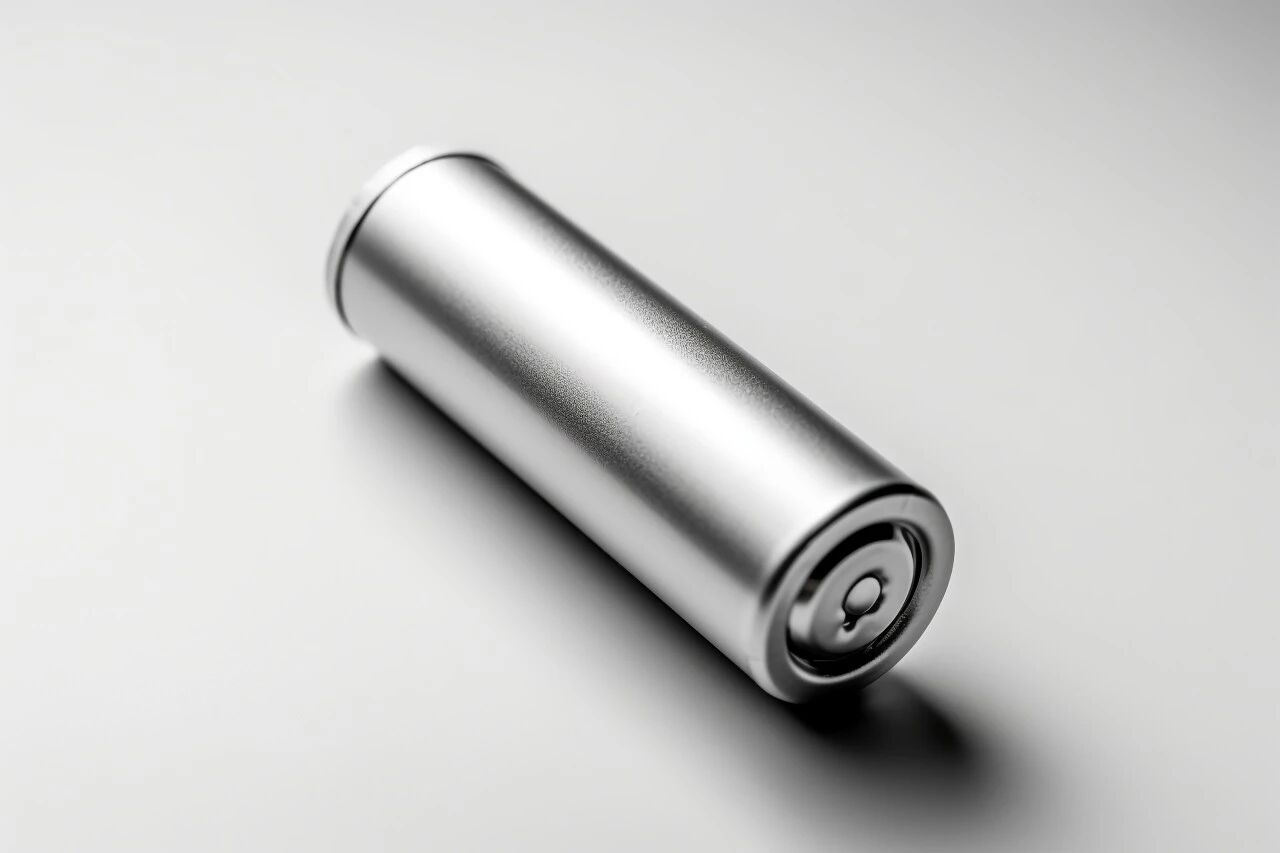
Figure 1 Cylindrical Cell
It must perform three functions — sealing, electrical conduction, and pressure relief: if the explosion-proof valve is poorly welded, there is a risk of leakage later; if the busbar (connecting tab) is welded off-center, conduction consistency is affected; if rivet pressing is inadequate or the helium leak test gives a false pass, the hidden defect carries all the way into the finished cell.
In the past, such processes were often split across multiple standalone machines — loading relied on human supervision, welding on operator experience, and inspection on spot checks, resulting in slow changeovers and difficult traceability.
Drawing on years of process expertise in power-battery laser welding, UW Laser has self-developed the UW Circular Cover Plate Assembly, Welding and Inspection Line. Designed for round covers with diameters of 25–70 mm, it turns the manufacturing process of cylindrical cell top covers — from "loose parts" to "finished product" — into a full-line solution that is closed-loop, changeover-friendly, and fully traceable.
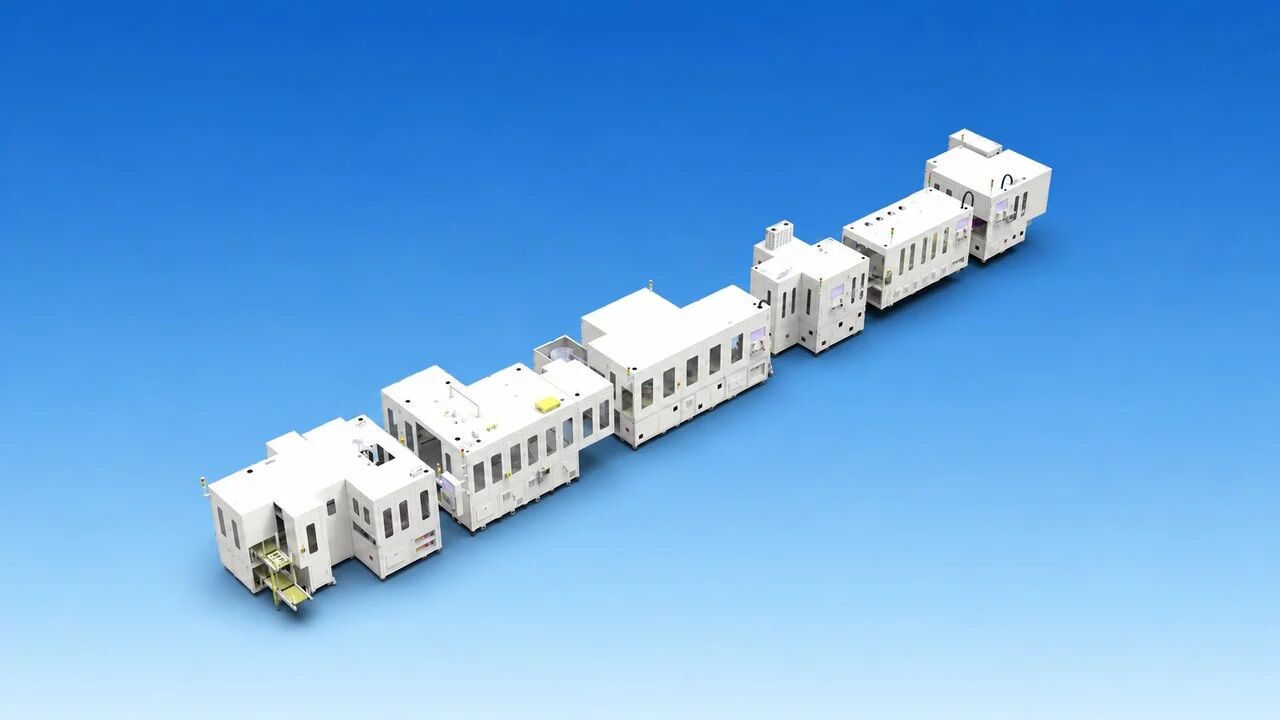
Figure 2 Layout of the UW Circular Cover Plate Assembly, Welding and Inspection Line
The full line consists of six interlinked processes:
Explosion-proof valve welding → Busbar welding → Loose-part assembly → Rivet pressing & sealing → Helium leak testing → Multi-function inspection
|
Station |
Core Function |
|
Explosion-proof valve welding |
Performs laser seal welding to ensure a stable weld on the pressure-relief structure. |
|
Busbar welding |
Completes terminal-to-busbar welding and code marking in one pass. |
|
Loose-part assembly / Rivet pressing |
Ensures components are correctly seated and the sealing structure is compacted. |
|
Helium leak testing |
Uses vacuum pumping, helium charging, and mass-spectrometer leak detection, with an independent re-inspection station; parts above the threshold are automatically diverted as NG. |
|
Multi-function inspection |
Performs final screening for leakage, insulation, withstand voltage, and appearance. |
|
Automatic loading unit |
No manual transfer is needed from the feeding of loose cover-plate parts to the offloading of finished products. |
The full line is not simply a string of standalone machines; it is designed as a process package based on the principles of "poka-yoke first, welding and inspection synchronized, and data seamlessly connected."
Integrated laser-welding process capability is the foundation of this line. The equipment uses a fiber laser with CCD vision positioning guidance, automatically compensating for positional deviations between incoming material and fixtures before welding, and judging weld-bead quality online after welding so that defective welds do not pass to the next station.
Both the explosion-proof valve seal welding and the busbar welding rely on UW Laser's self-developed welding process database, delivering stable weld penetration and controllable heat input.
Vision-guided loading and a poka-yoke (error-proofing) system solve the problem of "wrong assembly." Compatible with both bowl-feeder and tray-loading modes, the system uses a lower camera to inspect incoming parts and an upper camera to inspect the fixture; the robot automatically corrects the placement orientation, so missing, reversed, or wrong parts are intercepted at the source.
Multi-station parallel helium test uses vacuum pumping, helium charging, and a mass spectrometer for leak detection, with an independent re-inspection station. Parts with leakage rates above the threshold are automatically diverted as NG, preventing micro-leak cover plates from mixing into finished products.
Integrated multi-function inspection combines appearance CCD, 3D terminal-height measurement, insulation resistance, and withstand-voltage testing into a single machine. NG parts are sorted by defect type into separate bins, while vision guidance completes the application of the explosion-proof valve film — combining inspection and finishing processes to increase throughput.
|
Advantage |
Description |
|
Strong changeover compatibility |
The full line is compatible with round caps of 25–70 mm in diameter, and loose-part materials can be changed over quickly, accommodating co-lined production of cylindrical products in multiple specifications. |
|
In-house laser-welding expertise |
UW Laser has accumulated many years of experience in power-battery welding applications; its explosion-proof valve and busbar processes have been validated in volume projects, providing an engineering foundation for first-pass yield and weld consistency. |
|
Full-process data traceability |
Each cover plate is bound to a unique QR code; loading orientation, welding power/speed/penetration, helium leak rate, insulation resistance, and CCD images are recorded throughout and uploaded to the customer's MES, meeting the requirements for quality traceability and process review. |
|
Multi-level error-proofing design |
Camera guidance, pressure-curve judgment, final helium inspection, and electrical testing form four lines of defense, intercepting defective products across the entire chain from part loading to finished-product dispatch. |
Behind the UW Circular Cover Plate Assembly, Welding and Inspection Line lies UW Laser's vertical integration capability in equipment for cylindrical, prismatic, blade, and energy-storage cells: self-developed lasers, welding processes, vision algorithms, online inspection systems, and MES modules all work together from a common source.
What customers receive is not simply "six machines," but an integrated full-line delivery solution that coordinates process parameters, cycle-time balancing, changeover logic, and data interfaces.
As cylindrical cells move toward larger sizes, higher rates, and automotive-grade validation, the margin for error in top-cap manufacturing continues to narrow. With this self-developed circular cover plate assembly, welding and inspection line, UW Laser builds the first quantifiable quality-control defense for cylindrical battery safety, starting at the source of the structural components.
The company will continue to iterate its processes and equipment for cylindrical batteries, continuously optimizing overall line performance, and provide high-reliability, high-performance laser intelligent manufacturing solutions to customers worldwide, helping the lithium-battery industry achieve safe, sustainable, and high-quality development.